Although many Middle English lyrics have a lingly fresh and unselfconscious tone, they owe much to learned and sophisticated continental sources- the medieval catin lyrics of the “Goliard poets” and Provencal and French lyrics of the Troubadours and Trouveres. Most authors were clerics aware of the similarities between earthly and divine love and fond of panning in Latin or English.
The anonymity of the Middle English lyrics prevents us from seeing the as part of a single poet’s Danbar. Rathe we must rely on more genetal contexts such as genre, to establish relationships among poems. One of the most popular genres among the secular lyrics was the reverdie, a poem celebrating the return of spring. The early thirteenth century Cuckoo song joyfully invokes the bird’s song, and revels in the blossoming of the countryside and the calls of the animals to their young. A more typical example of the reverdie is Alisoun, whose made speaker ruefully contrasts the burgeoning of nature with the stinginess of his beloved.
Frustration was not the only attitude in Middle English love lyrics, however. A stance more boasting than adoring or despairing is taken in the witty lyrics I Hav Noble Cook. Furthermore, clerical misogyny is expressed in Abuse of women, which ostensibly praises woman by absoluting them of the vices - gossip, infidelity, shrewishnes - typically attributed to them in satires against women,: Yet the redrain first praises women as the bost of creatures but undercats this claim in Latin, which few women would have been able to understand.

The majority of Middle English lyrics were not secular but religious songs in praise of the virgin Mary or Christ, however, employ the same erotic language as the secular lyrics, of the in the conjunction with typological figures linking events in the Old Testament, for inst.the poet follows a statement of the “Fortunate Fall” that Adam’s sin was necessary to permit Christ’s redemption – with a courtly compliment to the Virgin Mary. similarly, I sing of Gideon’s fleece in judge 6 ( the soaking of the fleece by dew figuring Mary’s impregnation by the Holy Spirit) while also employing the courtly imagery of poet “singing of a maden” who chooses Christ as her son as if he were a lover. In a much longer poem in praise of the Virgin, the poet – casting himself as Mary’s “knight” caught in the bonds of love – begs her meroy and also compliments her by contrasting her antitype, Eve.
Occasionally the Middle English religious lyrics uses secular motifs and genres in a way that approaches parody. Fo inst. ancethe second stanza of the Nativity poem Mary is with child resebler a pregnancy lament by a gound gir. Mary, however, explains that her condition will be a source of joy rather than shame. who she will sing to her “darling”. this Middle English poet, far from slapsheming, was trying to humanize the Mystery of the Nativity and relate it to daily life.
other religious poems either celebrate Christ on reject the world. The poems to Christ in their tenderness and immediacy, resemble those to Mary. Poets used erotic language in poem to Christ as well as those to Mary, as in “Jesus, My Sweet Lover “. finally in a different vein the contempt of world questions the values of couatry life with the “ubi sunt” (“where are”) motif. “Where beth they biforen us enjoyed their paradise on the lovely women who enjoyed their paradise on earth and now suffer the eternal fires of hell.
Here is one poem written by anonym author.
Jesus, My sweet lover
Jesu, Christ, my lemmon swete,
That diyedest on the Rode tree,
With all my might I there beseche,
For thy woundes two and three,
That also faste mot thy love
Into mine herte fitched be
As was the spere into thine herte
When thou soffredes derth for me.
Used source:
1.Masters of British Literature. vol. A. 2008.

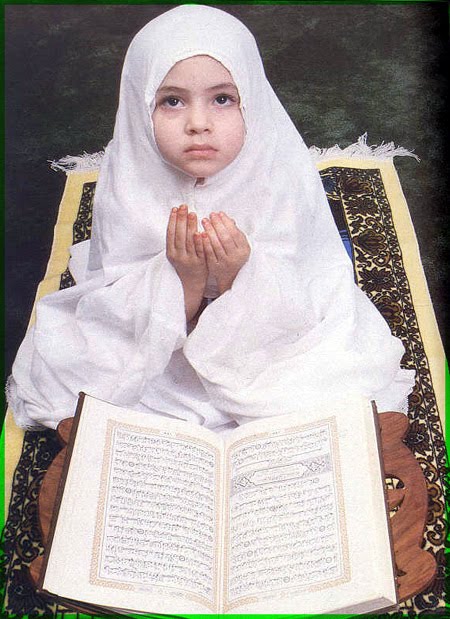 აღმოსავლეთის ისლამისტური ქვეყნებისათვის ტიპიური მახასაიათებელია ავტორიტარული მმართველობა, გაძლიერებული ცენტრალური ხელისუფლება, რომელიც ძირითადად ერთ პიროვნებაზეა აწყობილი. თუმცაღა მეორესმხრივ არიან ადამიანები რომლებიც ცხოვრობენ ამ ტიპის ქვეყნებში და მათაც გააჩნიათ საკუთარი უფლებები. თუ სასწორის ერთ პინაზე არის ერთპიროვნული მმართველის ძალაუფლება, მეორე მხარეს კი ადამიანის უფლებები. დემოკრატიული თვალსაზრისით იდეალურ მდგომარეობად შეგვძილია მივიჩნიოთ ამ ორი სასწორის პინის თანაბარი მდგომარეობა ანუ როდესაც ძალთა ბალანსი დაცულია. ასეთი მდგომარეობა დამახასიათებელია დასავლურ ევროპული ქვეყნებისათვის, ხოლო ისლამისტურ ქვეყნებში სიტუაცია რადიკალურად განსხვავდება. აქ ხახელმწიფოებრივ ძალაუფლება გაზრდილია მოსახლეობის უფლებათა ხარჯზე, რაც ბუნებრივად განპირობებულია ისტორიული განვითარების კანონზომიერებით. თუმცა დროის მსვლელობასთან ერთად იცვლება მდგომარეობაც. ახლა განვიხილოთ უშუალოდ ამ საკითხთან დაკავშირებული სტატია – “ავტორიტარიზმი


